Ensuring Every Procedure Is Safe with Expert Anaesthesia Care Tailored to Each Patient

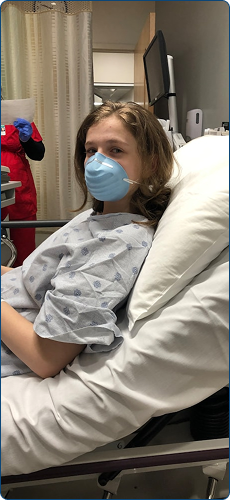
At its core, anaesthesiology involves the careful administration of medicines that enable surgical procedures to be performed safely with minimal pain. The Department of Anaesthesiology in Ahmedabad plays a central role in shaping positive surgical outcomes by integrating scientific expertise with meticulous care processes. At Harmony Hospital, our Anaesthesiology Department is committed to ensuring patient comfort, safety, and optimal outcomes through meticulous perioperative care. The complexities of anaesthesia extend beyond the operating theatre, influencing every stage of surgical preparation and recovery.

Expert Anaesthesia Care For Safe and Comfortable Surgeries

Anaesthesiology at Harmony Hospital is a critical, specialized branch of medicine that ensures patient safety, comfort, and optimal outcomes throughout surgical and procedural care. For certain surgeries, regional or local anaesthesia may be preferred, allowing the patient to remain conscious while the targeted area of the body is safely numbed. Obstetric anaesthesia, including epidural and monitored labour sedation, provides effective pain relief during childbirth while ensuring the safety and well-being of both mother and baby  Painless delivery. The team works closely with surgeons and nursing staff to ensure smooth coordination before, during, and after surgery.

Why Choose Us?

1 +
Success Stories
/7
Emergency and Trauma Center
Medical Departments
+
Expert Doctors

Our Commitment

At the heart of every successful surgery lies the science and art of anaesthesia. From the first pre-anaesthesia consultation to post-operative recovery, continuous monitoring and professional vigilance remain a top priority. Our team works in close coordination with surgical and nursing staff to ensure safe anaesthesia delivery, effective pain control, and a smooth recovery experience for every patient.

Cutting-Edge Technologies

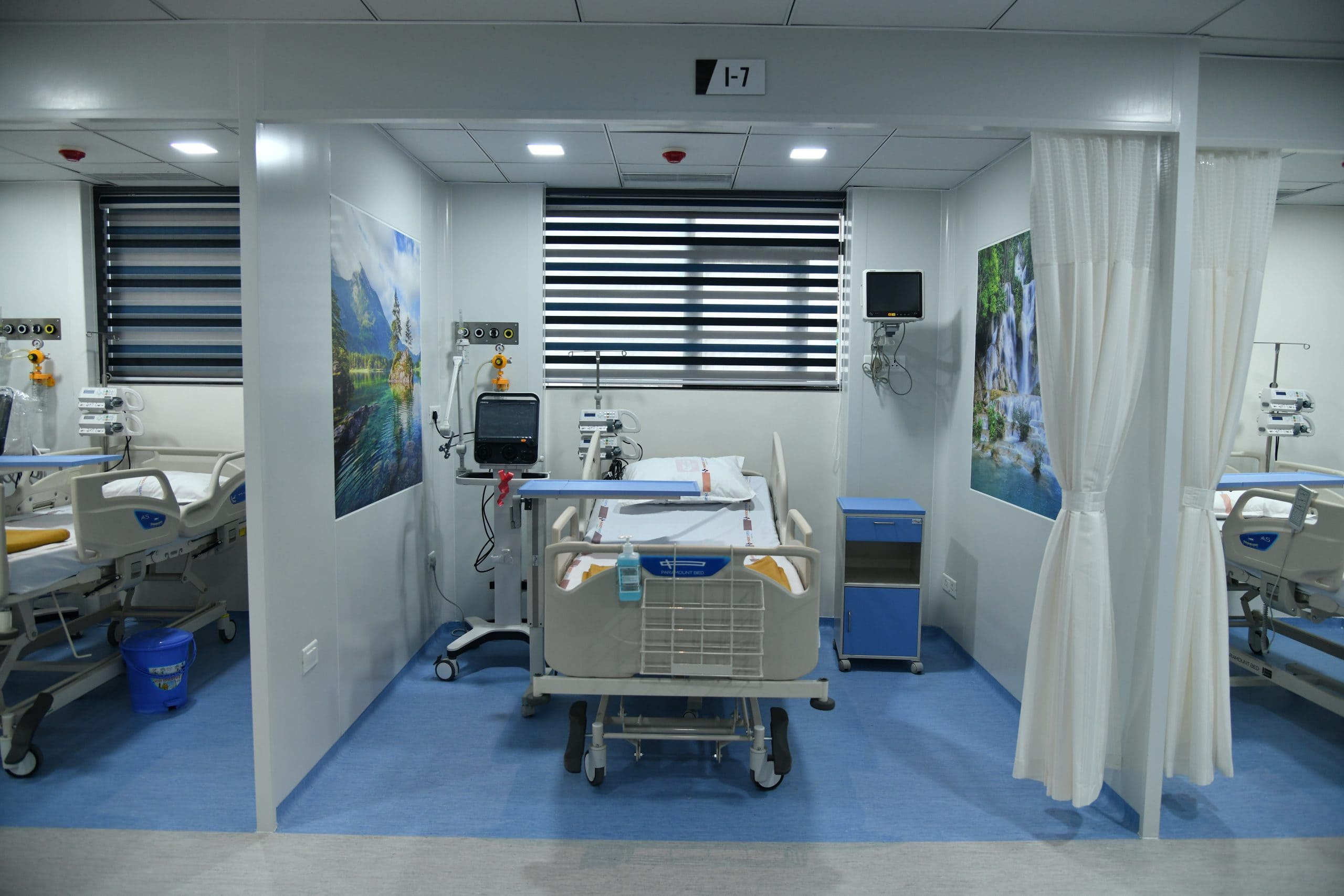
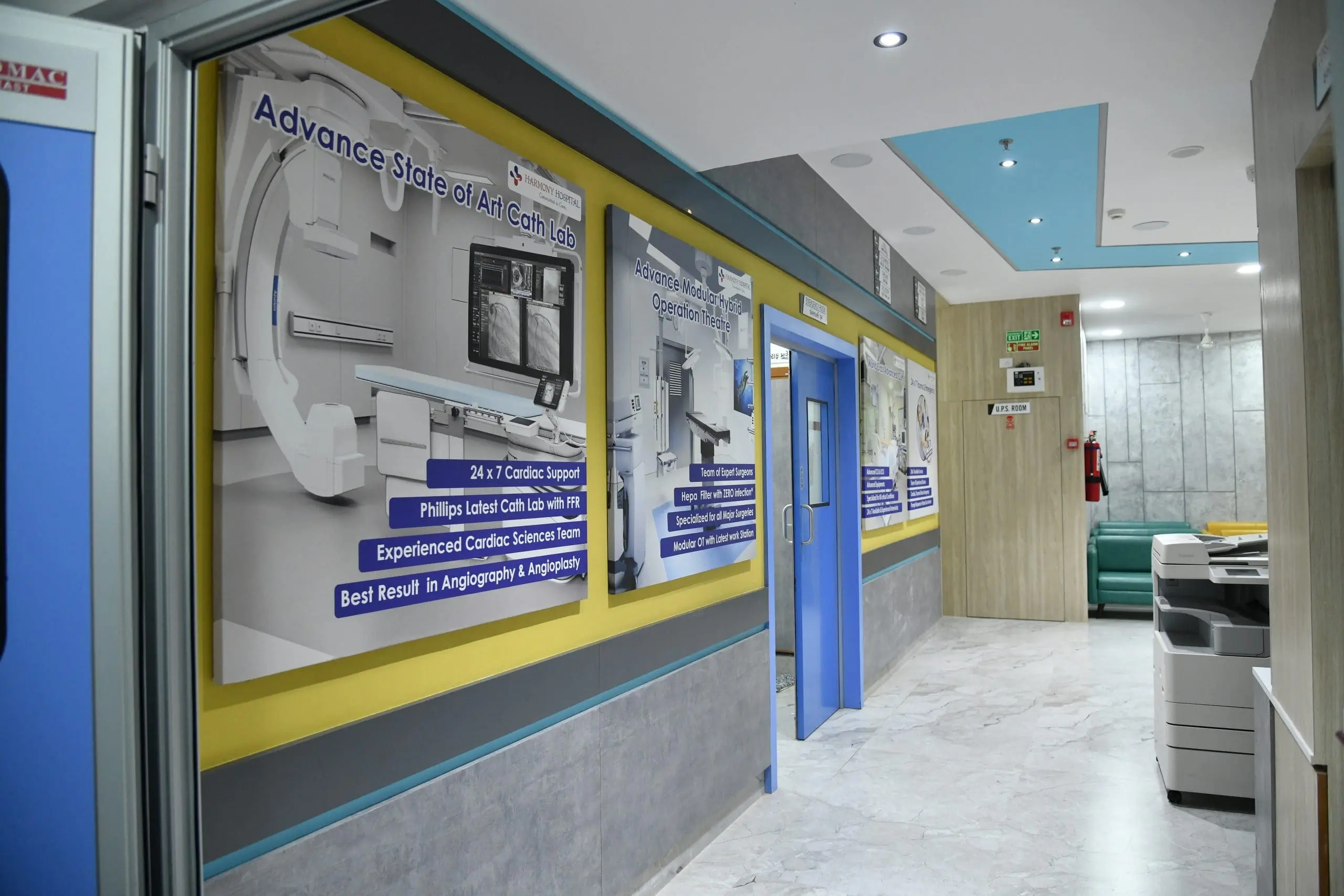
Our multispeciality hospital with anaesthesia team embraces cutting-edge technologies that are central to delivering modern, safe, and precise anaesthetic care. Advances in anaesthetic monitoring, patient safety systems, and drug delivery mechanisms have transformed the way surgeries are performed, and we integrate these innovations into daily practice to enhance outcomes. Digital records further support accurate planning and monitoring by keeping all patient related information organized and easily accessible. Supported by advanced technology and skilled specialists, Harmony Hospital delivers dependable, well-managed anaesthesia care across a wide range of surgical procedures.

Patient-Centric Care

Patients who come to us for anaesthesia care are not treated as cases or appointments, but as individuals with unique needs, aspirations, and dignity. This deeply human perspective, combined with rigorous clinical practice and advanced technology, defines who we are. At Harmony Hospital, anaesthesiology is not just a support service for surgery—it is an essential, deeply respected discipline that protects life, eases suffering, and contributes to remarkable recoveries. Pain management, both during and after surgery, is another essential component of the comprehensive care we provide.
Our Doctors

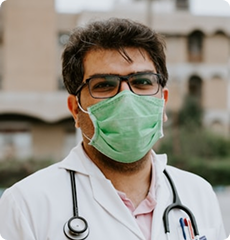
At the Anaesthesiology Department of Harmony Hospital, our approach to pain does not begin after surgery; rather, it is planned as an integrated part of the anaesthesia strategy. Every doctor on our team is committed to ongoing education and continuous professional development. They achieve this by attending medical conferences, adopting global best practices, and participating in research initiatives to keep their expertise at the forefront of anaesthesia science.

Conditions And Situations Requiring Anaesthesia Care

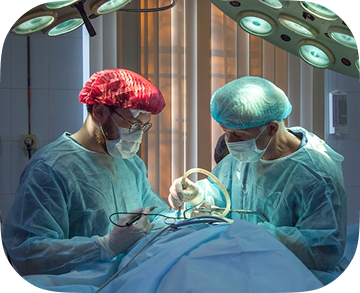
During the procedure, our Anaesthesia specialist in Ahmedabad manages vital functions, including airway control, haemodynamic stability, pain modulation, and metabolic balance, using sophisticated monitoring and rapid-response systems. We provide specialised anaesthesia services for a wide range of surgical and medical procedures.

Major & Complex Surgeries

Anaesthesia is essential for major operations to ensure patients remain pain-free, immobile, and physiologically stable throughout the procedure.

Some of the Most Common Procedures
  • Cardiac and thoracic surgeries
  • Neurosurgery and spine procedures
  • Joint replacement and orthopaedic surgeries
  • Abdominal and cancer surgeries
  • Organ-related procedures
  • IW invasive procedures
Emergency & Trauma Care

In life-threatening situations, rapid anaesthesia delivery enables immediate surgical intervention while maintaining vital functions.

Some of the Most Common Procedures
  • Road accident injuries
  • Internal bleeding
  • Fractures requiring urgent surgery
  • Emergency cesarean section
  • Acute surgical emergencies
Obstetric Anaesthesia

Safe anaesthesia is crucial during childbirth procedures to protect both mother and baby. It ensures effective pain relief while maintaining stable vital functions, allowing the delivery process to proceed smoothly and safely.

Some of the Most Common Procedures
  • Caesarean section (C-section)
  • Epidural analgesia for painless labor
  • High-risk pregnancy procedures
  • Post-delivery surgical care
  • Instrumental delivery (forceps or vacuum-assisted delivery) requiring pain control and close monitoring
Pain Management Procedures

Anaesthesiologists play a key role in treating chronic and acute pain conditions without surgery. Using advanced techniques such as nerve blocks, epidural injections, and targeted therapies, they help improve mobility, comfort, and overall quality of life.

Some of the Most Common Procedures
  • Chronic back or neck pain
  • Cancer-related pain
  • Post-operative pain
  • Neuropathic pain
  • Joint pain requiring nerve blocks

Diagnosis and Evaluation Before Anaesthesia

Our commitment to every patient transcends the operating theatre; it is a promise of safety, comfort, clarity, and unwavering care throughout the perioperative experience. A thorough evaluation ensures that each patient receives safe anaesthesia appropriate to their medical condition and surgical needs.

Check-Up Before Anaesthesia (PAC)

Before every surgery, it is very important to undergo a comprehensive pre-anaesthesia examination called the Pre-Anaesthesia Check-Up (PAC) to ensure the patient is safe and the surgery proceeds as planned. A full assessment is conducted to determine whether the person is suitable for anaesthesia and to identify potential risks.

What This Evaluation Is All About:
  • A thorough evaluation of the medical history
  • Physical examination of the body and airway
  • Finding out about allergies or past responses to anaesthesia.
  • Risk assessment for safe anaesthesia planning
What Patients Can Expect:
  • Consultation with an anaesthesiologist
  • Discussion of medications and lifestyle habits
  • How to fast before surgery
  • Opportunity to ask questions and reduce anxiety
Laboratory & Cardiac Investigations

Laboratory and cardiac tests are important components of the pre-anaesthesia examination to ensure the patient’s safety during surgery. Routine lab tests, such as complete blood count, kidney and liver function tests, blood sugar levels, and coagulation profiles, may detect underlying disorders that could make surgery or anaesthesia more dangerous.

What This Evaluation Is All About:
  • Blood tests for haemoglobin, coagulation, and how well the kidneys and liver work
  • ECG to assess heart rate
  • X-ray of the chest to check lung health
  • Additional tests for high-risk patients
What Patients Can Expect:
  • Quick and normal diagnostic tests
  • Minimal discomfort
  • Results reviewed before surgery
  • Changes made to provide the highest level of safety
Airway & Respiratory Assessment

A vital element of the pre-anaesthesia examination is checking the airway and breathing. This ensures that patients can be properly ventilated and receive oxygen during surgery. The anesthesiologist looks at the mouth, throat, and neck to see if there would be any problems with intubation or managing the airway.

What This Evaluation Is All About:
  • Looking at the anatomy of the mouth, neck, and airway
  • Checking how well the lungs work
  • Assessment for sleep apnoea or breathing disorders
  • Making plans for safe intubation if necessary
What Patients Can Expect:
  • A simple physical examination
  • Painless breathing tests, if required
  • No extra preparation required
  • Clear explanation of findings and reassurance about airway safety during surgery
Review of Lifestyle and Medication

For safe anaesthesia and the best possible surgical results, it is very important to understand the medications a patient is taking and their lifestyle habits.

What This Evaluation Is All About:
  • Checking all prescription, over-the-counter, and herbal drugs
  • Evaluation of behaviours like smoking, alcohol, or caffeine intake
  • Finding medication combinations that might change how anaesthesia works
  • Suggestions for changing stopping medications before surgery
What Patients Can Expect:
  • Talk to the anesthesiologist about the medicines you are currently taking
  • Advice on which medications to continue and which to temporarily discontinue
  • Tips on how to change your lifestyle to lower the chance of surgery anesthesia complication 
  • Clear guidelines to make surgery anesthesia safer and help you heal faster

Treatment and Anaesthesia Techniques

At Harmony Hospital, our team of anaesthesiologists and perioperative care specialists represents a blend of experience, continuous learning, and a culture of collaboration. We provide modern anaesthesia procedures tailored to the type of surgery and the patient’s needs.

General Anesthesia

General anesthesia is used for major surgeries. It puts the patient into a controlled state of sleep, ensuring they feel no pain or discomfort throughout the procedure. It works by temporarily suppressing brain and nervous system activity, ensuring the patient feels no pain, has no memory of the procedure, and remains completely still during surgery.

What Makes It Different:
  • The patient is fully asleep and experiences no pain or discomfort
  • Controlled breathing using a ventilator
  • Continuous monitoring of vital signs
  • Good for lengthy or complicated operations
How Life Changes After the Treatment
  • Gradual recovery of consciousness in the recovery room
  • You could feel sleepy or sick for a short time.
  • Pain is managed with appropriate medications
  • Resume normal activities as advised
Regional Anaesthesia (Spinal & Epidural)

Spinal and epidural regional anaesthesia are sophisticated methods of pain control that are utilized during lower body procedures. A small amount of anaesthetic is injected into the cerebrospinal fluid during spinal anaesthesia.  It stops feeling in a certain part of the body while the patient is still awake.

What Makes It Different:
  • Best for procedures on the lower body
  • Reduced exposure to medications throughout the body
  • Often allows faster recovery than general anaesthesia
  • Pain management that works during and after surgery
How Life Changes After the Treatment
  • Temporary loss of sensation in the lower body
  • Slowly getting back mobility and sensation
  • Great pain alleviation after surgery
  • In many circumstances, a shorter stay in the hospital 
Local Anaesthesia

Local anesthesia is used for small areas of the body for minor procedures and treatments. It works by numbing a specific area of the body so the patient feels no pain while remaining fully awake and aware.

What Makes It Different:
  • The patient stays completely awake
  • A few side effects
  • Rapid onset and short duration
  • Suitable for outpatient procedures
How Life Changes After the Treatment
  • A little numbness that goes away slowly
  • Back to the normal activities right away
  • Short recuperation time
  • Minimal effect on the rest of the body
Sedation (Monitored Anaesthesia Care)

Monitored Anaesthesia Care (MAC), commonly called sedation, helps patients relax and be comfortable throughout medical operations without putting them to sleep. It is often used  for small operations, diagnostic testing, and treatments that don’t need complete general anesthesia.

What Makes It Different:
  • The patient remains calm and drowsy
  • Keeps breathing on its own
  • Used for endoscopy, dentistry work, and small surgeries
  • Quick recovery
How Life Changes After the Treatment
  • Short observation period after the procedure
    ● Minimal grogginess or drowsiness
    ● Possible early discharge on the same day
    ● Safe for day-care (outpatient) procedures

Case Studies & Blogs

Explore our featured blogs and case studies to glean accurate insights into the latest advancements and swiftly-evolving trends in neurology. Don’t miss our top recommended reads!

Case Studies & Blogs

Over 300,000 successful procedures, 95% success rate, and advanced heart transplant services across India’s largest cardiac care network.

Patient Stories

Team approach and compassionate care for holistic heart health

Frequently Asked Questions (FAQs)

Patient safety is our highest priority at Harmony Hospital. Qualified anesthesiologists use modern technology that monitors vital signs in real time to monitor every surgery closely. Personalised anaesthesia plans are designed to reduce risks, and continuous monitoring throughout surgery ensures that action can be taken immediately if needed.

Harmony Hospital offers all types of anaesthesia, including general, regional, and local. General anaesthesia puts patients to sleep for complex procedures, whereas regional anaesthesia numbs only specific parts of the body.

Postoperative pain is managed with a combination of medications procedures and supportive care tailored to each patient. The anesthesiologists and nurses at Harmony Hospital ensure patients are comfortable and experience as few adverse effects as possible.

Our critical care anaesthesiologist in Ahmedabad offers excellent anaesthesia services by combining highly trained anesthesiologists, cutting-edge monitoring equipment, and individualised care.

We at Harmony Hospital Ahmedabad take care of your health and that of your family too

Leave all your medical and healthcare worries to the best hospital in Ahmedabad. Let us work together.

Harmony Address
Address: 301 – 401, Pushkar Icon, Above Chroma, Nr. Shukan Crossroad, Nikol – Naroda Road, Ahmedabad – 382350
Contact & Support
Mail Us:info@harmonyhospital.in
Call Us 24/7: +91-9512500822
+91-9512500844
x

We always support in emergencies, contact us immediately if you are experiencing any serious health problems.

Contact With Us!

Address: 301 – 401, Pushkar Icon, Above Chroma, Nr. Shukan Crossroad, Nikol – Naroda Road, Ahmedabad – 382350

Support mail: info@harmonyhospital.in

Emergency 24hr :

+91-9512500822
+91-9512500844